

We read the ingredients on our food. We check how much sugar is hiding in a drink. We may even want to know where our vegetables were grown. But how often do we turn over the products we use on our bodies every day and read those labels too?
This is the question behind Read Your Labels, our social series created to help you look a little more closely at the everyday products sitting in your bathroom, kitchen and laundry cupboard.
Not from a place of fear. From a place of knowing. Because when we understand what we are buying, applying and bringing into our homes, we can make choices that feel better for our bodies, our families and the planet.
Your Underarms Deserve a Closer Look
In Episode 4 of Read Your Labels, we turn our attention to a product many of us apply every single morning without a second thought: deodorant.
The underarm is a delicate area. It is frequently shaved, exposed to friction and covered immediately after applying a product. Yet deodorant labels can be surprisingly difficult to understand, filled with unfamiliar names and ingredients whose purpose is not always clear.
There is also an important distinction between a deodorant, which is intended to manage odour, and an antiperspirant, which is designed to reduce perspiration.
Sweating is one of the body’s natural functions. While nobody wants to feel uncomfortable or self-conscious, it is worth understanding how a product works before choosing to use it every day.
That does not mean every conventional product is automatically “bad.” It simply means we deserve to know what is inside it, what each ingredient is doing and whether it aligns with the way we want to care for ourselves.
What Does “Fragrance” Really Mean?
One of the most common words found on personal-care labels is fragrance, sometimes listed as parfum. It sounds simple, but fragrance can represent a blend of different aromatic ingredients rather than one identifiable substance. If you have sensitive skin, experience irritation or prefer to minimise unnecessary synthetic fragrance, this is an ingredient worth noticing.
The same applies to aluminium salts found in antiperspirants, strong preservatives and other ingredients used to alter texture, extend shelf life or control perspiration.
The purpose of Read Your Labels is not to give you another impossible list of things to avoid. It is to help you pause long enough to ask:
What is this ingredient? Why is it here? And is this the choice I want to make for myself?
Label Literacy Is a Form of Self-Care
You do not need to become a cosmetic chemist overnight. Begin with one product. Turn it over. Read the first five ingredients. Look up the words you do not recognise. Notice whether the brand clearly explains what its ingredients do—or whether the language leaves you with more questions than answers.
Over time, reading labels becomes less overwhelming. You begin to recognise the ingredients you enjoy, those your skin responds well to and those you would prefer to leave behind.
This is not about achieving perfection. It is about becoming more conscious of the small choices we repeat every day.
Follow the Read Your Labels Series
From deodorant and skincare to household cleaners and laundry products, Read Your Labels explores the things we use regularly but rarely question.
Each episode gives you simple, practical information to help you make more considered choices—without panic, judgement or wellness overwhelm.
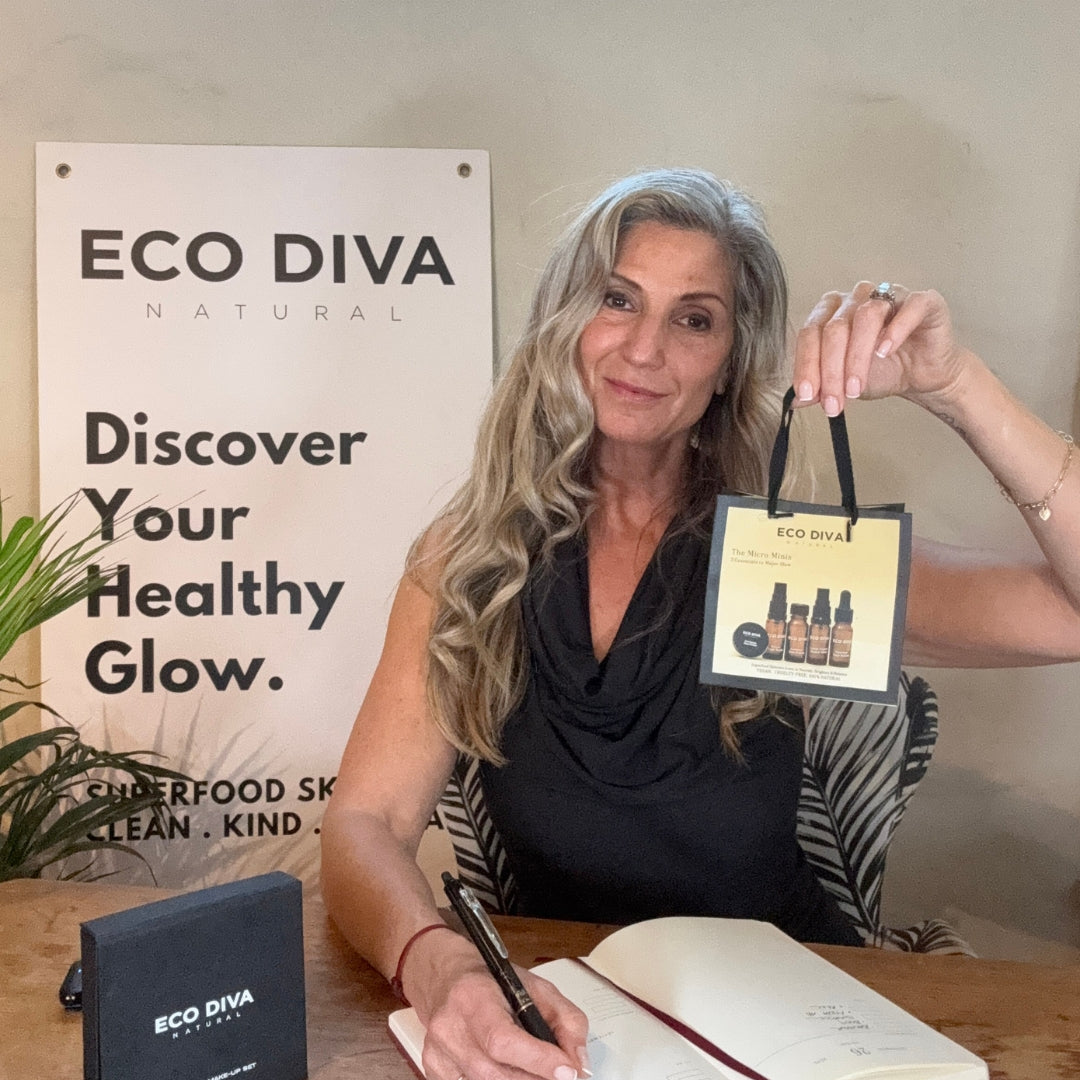
Watch Episode 4: What Is Really in Your Deodorant? on our Instagram page, then follow @ecodivanatural and subscribe to our community for more label-reading guidance, natural alternatives and everyday inspiration for living well.
Because the front of the bottle is marketing. The back of the bottle is where the real conversation begins.
Beautiful things happen slowly.
Slow is a skincare ingredient.